
Introduction
Advancements in technology have led to the use of more sophisticated and versatile tools in various fields including language education. In line with this, emerging technologies such as artificial intelligence have certain benefits in language teaching settings based on the studies done in the field (Lai & Bower, 2019). These benefits range from motivating students to learn more about the language to providing constructive feedback for the student’s language output (Sumakul et al., 2021). Along with these benefits for language learners, there are also affordances for language teachers. This includes assisting in preparing lesson plans that encapsulate the language skills (i.e., listening, speaking, reading, and writing). Hence, they can potentially reduce the teachers’ burden throughout the language teaching process.
Considering the potential benefits of using AI-powered chatbots in the language teaching process, utilizing various tools that can provide necessary materials and assistance regarding planning, designing materials, and assessing the students’ performances is of great importance. Therefore, in this article, some AI-powered tools will be introduced along with a guideline on how to make use of them throughout the teaching process (i.e., lesson planning, generating theme-based materials, etc.).
AI-Powered Tools in ELT Classroom: Tools & Guideline
In this section, some AI-based tools which have been designed for teachers’ use will be introduced along with sample activities for language teaching (e.g., generating materials, and planning lessons). There might be several other tools that have similar functions, but in this article, only the ones that are considered more practical for new users are going to be displayed.
*Planning Lessons & Generating Materials with MagicSchool AI
MagicSchool AI is a quite functional tool which allows for various ways to plan lessons including assessment and differentiated tasks for the learners. Within the scope of this AI-powered website, there are tools ranging from planning lessons to creating jokes, songs or jokes to engage students throughout the learning process (see the image below).

For this section, we will explore how to generate lesson plans and materials such as worksheets. Firstly, the section called lesson plan should be chosen in the toolbar. Following this, there appears a page where you can choose the grade and topic/objectives (see image 1.1). In the example, a lesson for 5th graders has been prepared and the main theme is daily routines. You can add additional criteria such as background knowledge (i.e., what your students have already known about the topic or which abilities they have regarding the language structure or vocabulary items). When you are done with the details, the only thing you need to do is to click on the generate button. In addition, you can get better results if you provide detailed prompts about the topic or the objectives as well as the students’ weaknesses and strengths regarding the topic.

After generating the lesson plan, you will see a complete plan which includes the pre-while and post-teaching stages along with the ways for assessing the students.
In addition to these features, it is also possible to design materials such as worksheets. In the example below, there will be a worksheet which is based on the same theme but it was designed for mainly 5th graders.
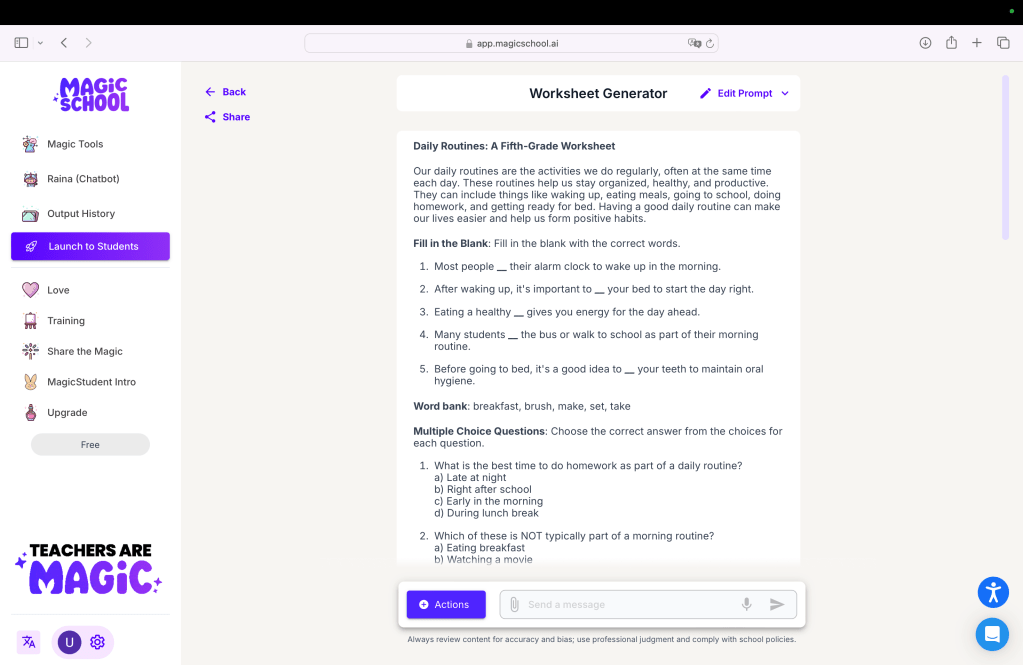
MagicSchool AI can be a useful tool for teachers of English at all levels as it encompasses various functions that can engage students and motivate them throughout the learning process. When teachers are considered, the tool can be a great assistance, which can also prevent the teacher burnout that they might face.
*Conversational Partners: ChatGPT & Mizou
In order to foster communication skills through verbal and written ways can be a tough deed for the teachers. However, with the advance of AI-powered technologies such as chatbots, teachers can now access various sources and materials to improve their students’ speaking skills. Before delving more into detail, it is important to define what chatbots are and what they basically stand for. AI-powered chatbots are defined as smart assistants or conversational agents which utilize natural language processing and machine learning to process the input given by a human (Edubots Project, 2021; Wang et al., 2021). To make it simple, chatbots provide sophisticated answers to the questions/prompts by using large datasets and sources from other websites, articles, etc. ChatGPT, which was launched by OpenAI company, is used worldwide thanks to its various functions. In the context of English language teaching, one of the ways of using this tool is to ask for materials or tasks for improving language skills. However, it is also possible to design your chatbot which focuses on language improvement. ChatGPT provides this kind of option for education professionals. This section can be found on the main page of the tool illustrated below.
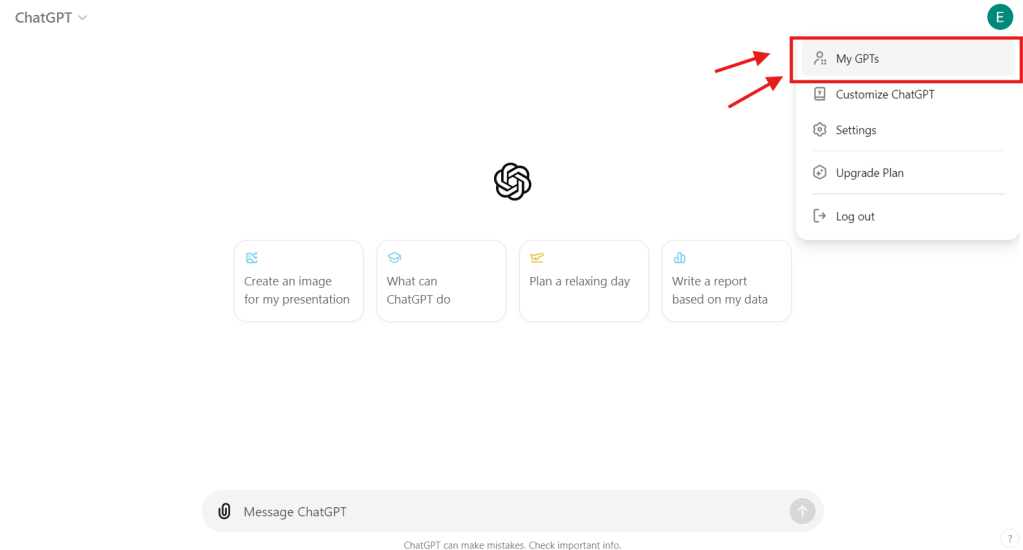
When you enter this page, you can design your own chatbot based on your purposes and the topic being covered. An example of this chatbot designed by an English teacher himself can be accessed here. Through this chatbot, students can interact with the tool while improving their language skills as it can either be verbal or written communication.

Another way to design an educational chatbot is through a tool called Mizou. This tool allows for building chatbots based on specific units or themes. This means that for each unit covered throughout the semester, it is possible to design a chatbot to check the students’ learning gainings or understanding by getting them to interact with the chatbot at the end of each topic or unit in the course book.

Besides, teachers can also track the conversation of their students with the chatbots along with an assessment done by the chatbot itself by analyzing the answers of the learners to the questions. It basically rates the engagement level and the way the student uses the language throughout the conversation.

This article aims to offer a comprehensive guideline for language teachers on how to effectively integrate emerging technologies into their classrooms. With the rapid advancements in educational technology, it is essential for teachers to stay updated and adapt their teaching methods to harness the potential of these innovative tools. The tool discussed here is just one of many available, each offering unique features and benefits for enhancing language learning. From AI-powered platforms to interactive digital resources, teachers have access to a wide range of technologies that can significantly improve student engagement, personalized learning experiences, and foster critical language skills. For further exploration, additional tools and resources are provided, with direct links available in the sources section, allowing educators to discover the best options to suit their specific classroom needs.
References & Links
Edubots (2022, January 31). Best practices. Erasmus+ Programme of the European Union https://uploadsssl.webflow.com/5eb417ec5e1a81e0e30258a0/6241a9addc2a994a9b101 8ec_WP5_D6_Whitepaper_Best_Practices_of_Chatbots_in_higher_education.pdf
Lai, J. W. M., & Bower, M. (2020). Evaluation of technology use in education: Findings from a critical analysis of systematic literature reviews. Journal of Computer Assisted Learning, 36(3), 241– 259. https://doi.org/10.1111/jcal.12412
Sumakul, D., Hamied, F. A. & Sukyadi, D. (2021). Students’ perceptions of the use of AI in a writing class. International Conference.
Wang, J., Hwang, G.-W., & Chang, C.-Y. (2021). Directions of the 100 most cited chatbot-related human behavior research: A review of academic publications. Computers and Education: Artificial Intelligence.
*Other AI-powered Chatbots
 Teaching and Learning English